
Winter brings significant changes in skincare requirements. Cold temperatures, low humidity, and indoor heating can contribute to dry, rough, and dehydrated skin. As a result, moisturising lotions become important personal-care products during the winter season. For cosmetic retailers, supermarkets, pharmacies, and online sellers, winter lotion wholesale purchasing offers an opportunity to stock seasonal skincare essentials while managing procurement costs and product availability.
However, choosing the right winter lotions requires careful consideration of ingredients, formulations, packaging, pricing, customer preferences, and supplier reliability. Understanding these factors can help businesses develop an effective winter skincare inventory and meet seasonal customer demand.
Why Does Demand for Winter Lotions Increase During Winter?
During winter, environmental conditions can affect the skin’s natural moisture balance. Cold weather, low humidity, and frequent exposure to hot water may contribute to skin dryness and roughness.
Customers often look for moisturising products that help maintain skin softness and reduce moisture loss.
Some common reasons behind increased winter lotion demand include:
- Dryness caused by cold weather.
- Reduced environmental humidity.
- Roughness around hands, elbows, knees, and legs.
- Increased demand for richer moisturising formulations.
- Greater interest in daily skincare routines.
- Seasonal gifting and personal-care purchases.
For retailers, winter lotion wholesale procurement can help maintain sufficient inventory during periods of increased seasonal demand. However, purchasing quantities should be based on previous sales, customer preferences, and local market conditions.
What Types of Winter Lotions Should Retailers Stock?
Different customers have different moisturising requirements. Some prefer lightweight lotions, while others look for richer formulations that provide longer-lasting moisturisation.
Retailers should consider stocking a balanced selection of products.
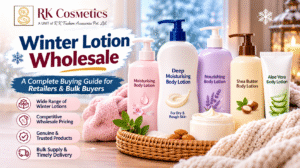
Popular winter lotion categories include:
- Deep moisturising lotions: Designed for customers experiencing dry skin.
- Body lotions: Suitable for everyday full-body skincare routines.
- Hand and foot lotions: Formulated for areas that frequently become dry.
- Glycerin-based lotions: Commonly used to attract and retain moisture.
- Aloe vera lotions: Popular among customers seeking soothing skincare formulations.
- Shea butter lotions: Often selected for their rich, conditioning properties.
- Vitamin E lotions: Frequently marketed for skin-conditioning benefits.
- Fragrance-free lotions: Suitable for customers who prefer products without added fragrance.
When selecting winter lotion wholesale products, retailers should compare ingredients, texture, packaging, intended use, and customer demand rather than focusing exclusively on price.
Which Ingredients Should Buyers Look for in Winter Lotions?
Ingredients play an important role in determining the texture, moisturising properties, and positioning of skincare products.
Some commonly used ingredients include:
- Glycerin: A humectant that helps attract moisture to the skin.
- Shea butter: An emollient ingredient used in rich moisturising formulations.
- Aloe vera: Commonly included in skincare products for its soothing properties.
- Hyaluronic acid: A humectant that helps retain water.
- Cocoa butter: Frequently used in moisturising body-care products.
- Ceramides: Help support the skin’s natural protective barrier.
- Vitamin E: An antioxidant ingredient used in various skincare formulations.
- Natural oils: Ingredients such as almond and coconut oil are commonly incorporated into moisturising products.
Retailers should carefully examine ingredient lists, product labels, and manufacturer claims. Not every formulation is suitable for every skin type, particularly for individuals with sensitive skin or specific ingredient allergies.
How Can Retailers Choose the Right Winter Lotion Wholesale Supplier?
Winter lotion wholesale Supplier selection is one of the most important aspects of cosmetic inventory management. A reliable supplier can help businesses maintain product availability, manage costs, and reduce procurement-related problems.
Before choosing a supplier, consider the following factors:
- Product authenticity: Verify that products are genuine and properly sourced.
- Wholesale pricing: Compare quotations from multiple suppliers.
- Minimum order quantity: Understand the minimum purchasing requirements.
- Product variety: Check availability of different brands, formulations, and sizes.
- Expiry dates: Ensure products have sufficient remaining shelf life.
- Documentation: Request appropriate invoices and product information.
- Delivery service: Confirm shipping charges and estimated delivery timelines.
- Replacement policy: Understand procedures for damaged or defective products.
- Supplier reputation: Evaluate business credibility and customer feedback.
Businesses exploring winter lotion wholesale opportunities should obtain written quotations and confirm commercial terms before placing large orders.
How Can Businesses Calculate Wholesale Costs and Profit Margins?
Purchasing products at wholesale prices does not automatically guarantee profitability. Retailers must calculate the complete cost of acquiring and selling their inventory.
A basic cost calculation is:
Total Landed Cost = Purchase Cost + Transportation + Handling Charges + Other Applicable Expenses
For example, if a retailer purchases 100 lotion bottles, the total procurement cost should be divided by the number of saleable units to determine the average landed cost per bottle.
Other expenses to consider include:
- Storage and warehouse expenses.
- Packaging and handling.
- Marketplace commissions.
- Payment-processing charges.
- Promotional discounts.
- Damaged or unsold products.
- Applicable taxes.
When comparing winter lotion wholesale suppliers, retailers should evaluate the complete landed cost instead of selecting a supplier solely because of a lower quoted price.
Which Packaging Options Are Suitable for Winter Lotions?
Packaging influences product convenience, presentation, storage, and transportation.
Common packaging options include:
- Pump bottles: Convenient for controlled product dispensing.
- Flip-top bottles: Suitable for everyday personal-care products.
- Squeeze tubes: Easy to carry and use.
- Large family-size bottles: Often preferred for regular household consumption.
- Travel-size packaging: Suitable for customers looking for portable skincare products.
- Premium packaging: Can appeal to customers purchasing skincare gift sets.
Before purchasing winter lotion wholesale inventory, businesses should inspect packaging quality, sealing, leakage resistance, label information, and product compatibility.
How Can Retailers Manage Seasonal Winter Lotion Inventory?
Seasonal inventory management is essential for avoiding overstocking and unnecessary financial losses.
Retailers can follow these practices:
- Analyse previous winter sales.
- Identify popular brands and product sizes.
- Monitor stock movement regularly.
- Maintain digital inventory records.
- Follow first-expiry-first-out stock rotation.
- Store products according to manufacturer recommendations.
- Avoid purchasing excessive quantities.
- Monitor customer feedback and repeat purchases.
- Plan seasonal discounts for slow-moving inventory.
A planned purchasing strategy helps businesses manage winter lotion wholesale inventory more efficiently and prepare for changes in seasonal demand.
Where Can Retailers Source Wholesale Winter Lotions?
Retailers can source winter skincare products through manufacturers, authorised distributors, established cosmetic wholesalers, and specialised personal-care suppliers.
RK Cosmetics is a wholesale cosmetics business that retailers can explore when looking for cosmetic and personal-care product sourcing opportunities. Businesses interested in purchasing winter lotions can contact RK Cosmetics to enquire about current product availability, brands, wholesale rates, minimum order quantities, and delivery arrangements.
Before confirming an order, buyers should verify product details, sourcing information, invoices, and applicable commercial terms.
What Questions Should You Ask Before Buying Winter Lotions in Bulk?
Before finalising a purchase, retailers should ask suppliers a few essential questions:
- Which winter lotion brands and variants are available?
- What are the current wholesale prices?
- Is there a minimum order quantity?
- Are different bottle sizes available?
- What are the manufacturing and expiry dates?
- Are product samples available?
- Is a proper purchase invoice provided?
- What are the shipping and delivery charges?
- What is the replacement policy for damaged products?
- Are repeat orders available throughout the winter season?
These questions help businesses evaluate winter lotion wholesale purchasing opportunities and make informed procurement decisions.
Final Thoughts
Winter lotions are an important category in seasonal skincare retailing. With customers looking for effective moisturising solutions during colder months, retailers can benefit from maintaining a carefully selected range of personal-care products.
Successful procurement depends on choosing reliable suppliers, evaluating product ingredients, comparing wholesale prices, monitoring shelf life, and maintaining appropriate inventory levels. By following a structured purchasing strategy, cosmetic retailers, pharmacies, supermarkets, and online sellers can manage seasonal demand more effectively.
Businesses planning to expand their winter skincare assortment should prioritise product quality, customer preferences, and long-term supplier relationships. A well-planned wholesale purchasing approach can support better inventory management and sustainable retail growth.