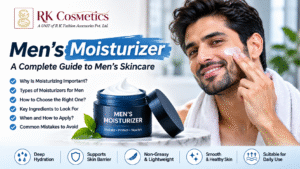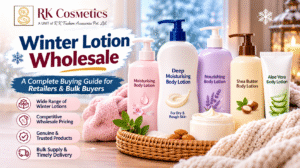
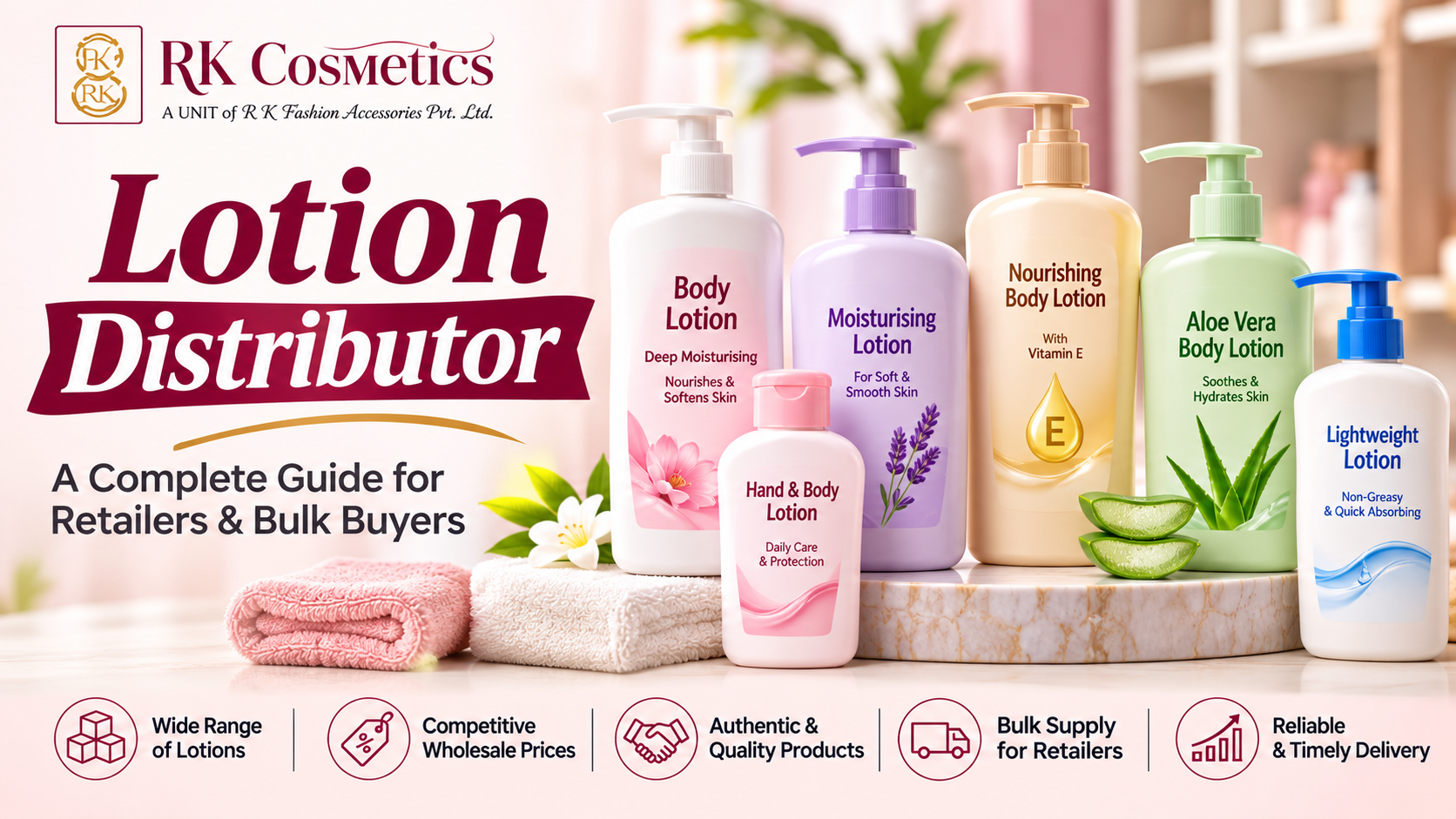
The skincare and personal-care industry continues to offer significant opportunities for retailers, cosmetic stores, pharmacies, supermarkets, and online sellers. Lotions are everyday skincare essentials used for moisturising, nourishing, and maintaining skin softness. For businesses planning to expand their product range, finding a reliable lotion distributor is an important step towards maintaining consistent inventory, managing procurement costs, and meeting customer expectations.
Wholesale purchasing allows retailers to access different lotion categories, brands, formulations, and packaging sizes at competitive commercial rates. However, selecting the right supplier requires careful consideration of product quality, authenticity, pricing, delivery arrangements, and business requirements. This guide explains the important factors businesses should understand before choosing a wholesale skincare supplier.
What Does a Lotion Distributor Do?
A lotion distributor acts as an intermediary between manufacturers or authorised suppliers and retailers, wholesalers, pharmacies, and other commercial buyers.
Distributors help businesses access skincare products without purchasing directly from multiple manufacturers.
Their responsibilities may include:
- Maintaining product inventories.
- Supplying different lotion brands and variants.
- Providing wholesale pricing.
- Managing bulk orders.
- Coordinating product transportation.
- Sharing product information and specifications.
- Providing invoices and purchase documentation.
- Supporting repeat procurement requirements.
Working with an established distribution partner can simplify product sourcing and help retailers maintain a consistent supply of popular skincare products.
Why Should Retailers Purchase Lotions Wholesale?
Wholesale procurement offers several advantages for businesses involved in cosmetics and personal-care retail.
Some important benefits include:
- Cost management: Bulk purchasing may provide better per-unit pricing compared with individual retail purchases.
- Consistent availability: Businesses can maintain sufficient inventory of frequently purchased products.
- Product variety: Retailers can stock different formulations, fragrances, and packaging sizes.
- Simplified procurement: Consolidated orders reduce the need to coordinate with multiple suppliers.
- Business expansion: A broader skincare range can attract customers with different preferences.
- Improved planning: Regular purchasing arrangements make inventory forecasting easier.
Choosing the right lotion distributor can help retailers establish a dependable procurement process while maintaining control over purchasing expenses.
However, businesses should consider actual customer demand before purchasing large quantities. Excessive inventory can increase storage costs and create expiry-related losses.
Which Types of Lotions Should Retailers Stock?
The skincare market includes several lotion categories designed for different consumer preferences and skincare routines.
Retailers should understand these categories before deciding which products to purchase.
Common lotion categories include:
- Body lotions: Designed for everyday body moisturisation.
- Face moisturising lotions: Formulated for facial skincare routines.
- Hand and body lotions: Used to moisturise hands and other body areas.
- Lightweight lotions: Suitable for consumers who prefer less heavy formulations.
- Intensive moisturising lotions: Designed for customers seeking richer moisturisation.
- Fragranced lotions: Include different fragrance profiles.
- Fragrance-free lotions: Designed for customers who prefer products without added fragrance.
- Aloe vera lotions: Feature aloe vera as an ingredient.
- Vitamin-enriched lotions: Include ingredients such as vitamin E in their formulations.
- Specialised skincare lotions: Developed for specific cosmetic or personal-care requirements.
When selecting a lotion distributor, retailers should evaluate the available product categories and identify those that match their target audience.
How Can You Choose a Reliable Wholesale Supplier?
Supplier selection plays an important role in maintaining product quality and business profitability. A lotion distributor offering the lowest price may not necessarily provide the best commercial value.
Before finalising a wholesale partnership, businesses should evaluate the following factors:
1. Product authenticity
Check whether products are sourced through legitimate supply channels. Request relevant documentation wherever necessary.
2. Pricing transparency
Compare wholesale quotations and understand whether transportation, taxes, and additional charges are included.
3. Product availability
Choose suppliers capable of maintaining reasonable stock availability for regularly purchased products.
4. Documentation
Ensure that proper invoices, product details, and applicable tax documentation are available.
5. Delivery arrangements
Understand delivery timelines, shipping charges, packaging standards, and replacement policies.
6. Supplier reputation
Review business credentials, customer feedback, and previous commercial experience.
A professional lotion distributor should provide clear information about purchasing conditions, available products, and order fulfilment.
What Should Buyers Check Before Purchasing Lotions in Bulk?
Bulk purchasing requires additional attention because retailers are responsible for storing and selling the products they purchase.
Consider the following checklist:
- Check manufacturing and expiry dates.
- Inspect packaging for damage or leakage.
- Verify batch numbers and product labels.
- Review the ingredient list.
- Confirm product size and quantity.
- Check whether seals are intact.
- Understand recommended storage conditions.
- Request product samples when available.
- Verify invoice and payment details.
- Review the supplier’s return and replacement policies.
These checks help reduce procurement risks and improve inventory management.
How Do Wholesale Lotion Prices Affect Retail Profitability?
Wholesale pricing directly influences the financial performance of a retail business. However, retailers should calculate the total procurement cost rather than considering only the supplier’s quoted price.
The basic formula is:
Total Landed Cost = Purchase Cost + Transportation + Handling Charges + Other Applicable Expenses
For example, if a retailer purchases 100 lotion bottles, the total landed cost should be divided by the number of saleable units to determine the actual cost per bottle.
Other expenses that businesses should consider include:
- Storage and warehouse expenses.
- Packaging costs.
- Marketplace commissions.
- Payment-processing charges.
- Promotional discounts.
- Damaged inventory.
- Applicable taxes.
A reliable lotion distributor may offer different commercial rates depending on order quantity, product category, and purchasing arrangements.
Retailers should compare these rates carefully and calculate their expected gross margins before confirming an order.
How Can Retailers Manage Lotion Inventory Efficiently?
Inventory management helps businesses maintain product availability while reducing unnecessary storage expenses.
Some effective inventory practices include:
- Maintain a digital inventory register.
- Record product names, variants, and quantities.
- Monitor manufacturing and expiry dates.
- Follow the First In, First Out (FIFO) method where appropriate.
- Store products according to manufacturer recommendations.
- Identify fast-moving and slow-moving products.
- Establish minimum stock levels.
- Review sales performance regularly.
- Avoid excessive purchasing.
- Conduct periodic physical stock inspections.
Retailers working with a regular lotion distributor can use historical sales information to plan repeat orders and reduce stock shortages.
Where Can Businesses Find Wholesale Lotion Suppliers?
Businesses can explore several procurement channels depending on their purchasing requirements.
These include:
- Authorised brand distributors.
- Established cosmetic wholesalers.
- Direct manufacturer supply arrangements.
- Personal-care product suppliers.
- B2B wholesale marketplaces.
- Regional cosmetic distribution businesses.
Retailers should compare product availability, commercial terms, documentation, and delivery capabilities before selecting a supplier.
RK Cosmetics is a wholesale cosmetics business that retailers can explore for their cosmetic and personal-care sourcing requirements. Businesses interested in purchasing lotions should contact RK Cosmetics to confirm current product availability, brands, wholesale prices, minimum order quantities, and delivery arrangements.
What Questions Should You Ask Before Finalising a Wholesale Order?
Before placing an order, buyers should clarify all important commercial details.
Here are some essential questions:
- What is the minimum order quantity?
- Which lotion brands and variants are available?
- Are different packaging sizes available?
- What are the current wholesale prices?
- Are bulk purchase discounts offered?
- Are product samples available?
- What are the manufacturing and expiry dates?
- Is a GST invoice provided?
- What are the shipping charges?
- What is the delivery timeline?
- What happens if products arrive damaged?
- Are repeat orders supported?
Asking these questions helps businesses evaluate a lotion distributor more effectively and establish transparent purchasing arrangements.
Final Thoughts
The wholesale skincare market offers opportunities for retailers, pharmacies, supermarkets, cosmetic stores, and e-commerce businesses. Lotions are an important personal-care category, making consistent product availability and responsible procurement essential for long-term business operations.
Choosing the right lotion distributor requires evaluating product authenticity, wholesale pricing, inventory availability, documentation, and delivery reliability. Retailers should also understand customer preferences, calculate landed costs, and maintain proper stock records.
With a structured procurement strategy and a dependable wholesale sourcing partner such as RK Cosmetics, businesses can strengthen their skincare product assortment, manage inventory efficiently, and develop sustainable retail operations.