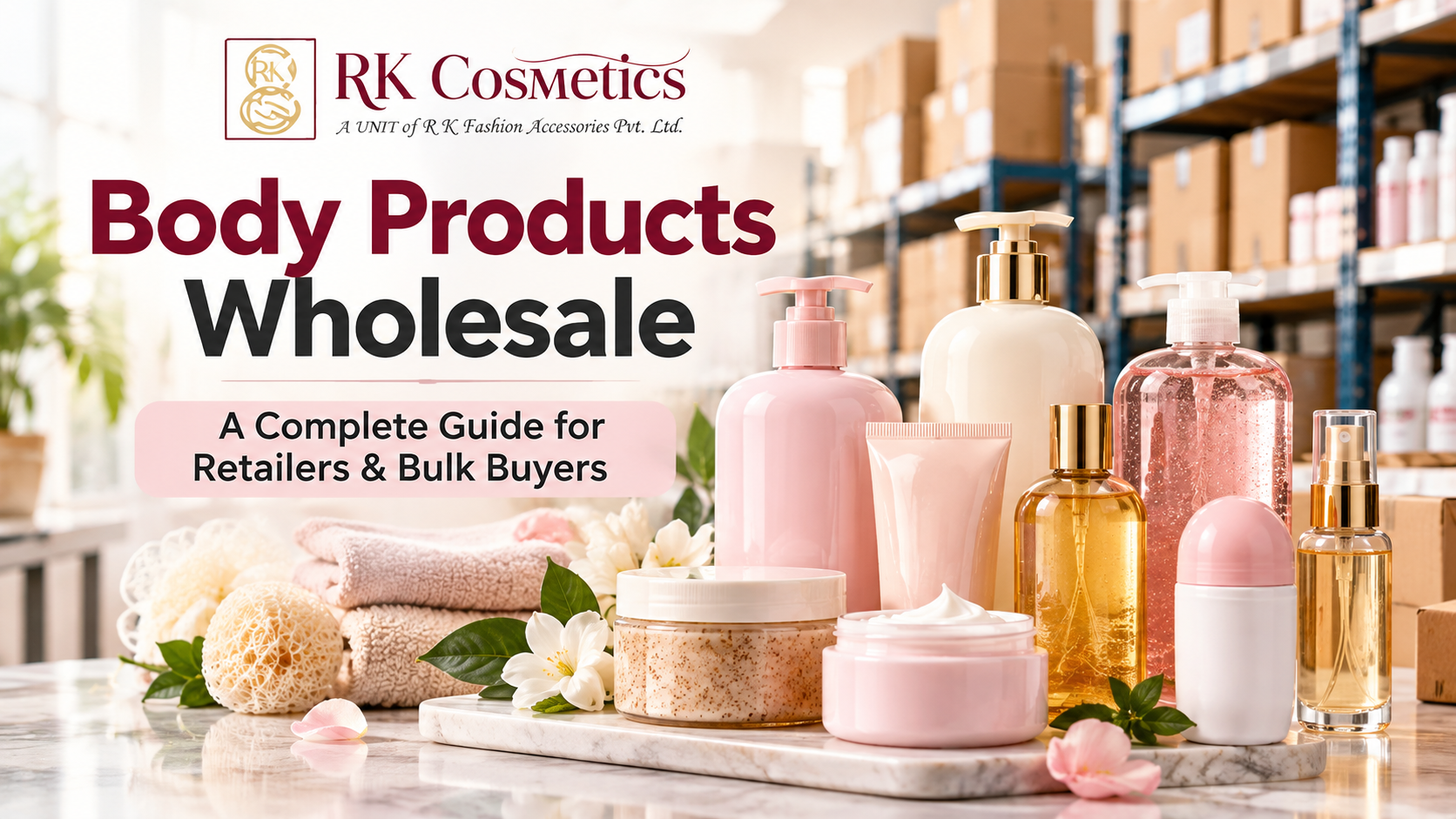
The personal-care market continues to offer opportunities for retailers, beauty stores, pharmacies, supermarkets, salons, and online sellers. Businesses purchasing body products wholesale can often improve procurement efficiency by buying products in larger quantities and negotiating commercial rates. However, successful wholesale sourcing involves much more than finding a low price. Product authenticity, demand, packaging, shelf life, supplier reliability, storage, and delivery all need to be considered before placing an order.
This guide explains the key factors businesses should understand when purchasing body-care products for resale.
What Are Body Products?
Body products generally refer to personal-care products designed for cleansing, moisturizing, nourishing, refreshing, or maintaining the appearance and comfort of the skin.
Common categories include:
- Body lotions
- Body creams
- Body washes
- Shower gels
- Body scrubs
- Body oils
- Hand and body creams
- Bath products
- Deodorants
- Body mists
- Exfoliating products
- Moisturizing products
- Skin-cleansing products
The exact product mix a retailer needs depends on its customers, location, sales channel, and price segment.
Why Do Businesses Buy Body Products in Bulk?
Wholesale procurement can be useful for businesses with regular customer demand. Instead of repeatedly purchasing small quantities, retailers can plan inventory around expected sales.
Key advantages may include:
- Lower purchasing costs at suitable order volumes
- More consistent stock availability
- Simplified procurement
- Better inventory planning
- Wider product selection
- Potentially improved retail margins
- Fewer individual replenishment orders
However, businesses should not purchase excessive quantities solely because a supplier offers a volume discount. Personal-care products have shelf-life considerations, and slow-moving inventory can tie up working capital.
What Should You Look for When Buying Body Products Wholesale?
When evaluating body products wholesale, buyers should assess both the products and the supplier.
A practical checklist includes:
- Product authenticity
- Manufacturer information
- Batch details
- Manufacturing date
- Expiry or best-before information
- Packaging condition
- Product variant and size
- Minimum order quantity
- Wholesale price
- Applicable taxes
- Shipping charges
- Delivery timelines
- Replacement policies
- Invoice availability
A supplier offering a slightly higher price but better documentation, dependable delivery, and consistent inventory may ultimately provide greater business value.
Which Body-Care Products Should Retailers Stock?
There is no universal product mix for every retailer. Businesses should use their own sales data and customer demand to determine which categories deserve more shelf space.
Fast-moving categories may include:
- Everyday body lotions
- Body washes
- Shower products
- Moisturizers
- Body creams
- Body oils
- Exfoliating products
- Hand and body-care products
- Deodorants and body fragrances
Retailers can initially test different categories and gradually increase purchases of products that demonstrate consistent demand.
How Can You Choose a Reliable Wholesale Supplier?
Supplier selection is one of the most important parts of wholesale procurement.
Before working with a supplier, businesses should ask:
- Does the supplier provide proper invoices?
- Are products sourced through legitimate channels?
- Can batch information be verified?
- Are current product variants available?
- What is the minimum order quantity?
- How frequently is inventory replenished?
- What are the shipping terms?
- Is there a replacement policy for damaged products?
- How quickly can repeat orders be fulfilled?
For businesses searching for body products wholesale, RK Cosmetics can be considered as a wholesale sourcing option for cosmetics and personal-care inventory. Buyers should confirm current availability, pricing, order quantities, and delivery conditions before making a purchase.
How Can You Check Product Authenticity?
Authenticity should be a priority when purchasing branded personal-care products in bulk. Counterfeit or improperly sourced products can create financial, regulatory, and reputational risks.
Before accepting a wholesale shipment:
- Inspect packaging for unusual printing, damage, or tampering.
- Check batch information where applicable.
- Review labels for consistency and required product information.
- Compare packaging details with legitimate product information.
- Check expiry information before accepting large quantities.
- Request proper purchase documentation.
- Keep supplier invoices and records for future reference.
Businesses purchasing body products wholesale should be particularly cautious when a quotation appears significantly below prevailing market prices without a clear commercial explanation.
How Should Retailers Calculate Wholesale Costs?
The supplier’s quoted price is not always the actual cost to the retailer. Businesses should calculate the complete landed cost before setting retail prices.
A simple formula is:
Landed Cost = Purchase Price + Shipping + Taxes + Handling/Other Applicable Costs
Retailers should also consider:
- Storage expenses
- Marketplace commissions
- Payment-processing charges
- Promotional discounts
- Damaged inventory
- Returns
- Unsold or slow-moving stock
This calculation helps businesses determine whether a particular body products wholesale purchase can realistically support their target margins.
How Can Businesses Manage Wholesale Inventory?
Effective inventory management can prevent both stock shortages and excessive inventory.
Businesses can:
- Maintain a digital inventory system
- Record purchase quantities
- Track batch information
- Monitor expiry dates
- Identify fast-moving products
- Set minimum stock levels
- Review slow-moving products
- Conduct regular physical stock checks
- Follow FIFO principles where appropriate
FIFO, or First In, First Out, means older inventory is prioritized for sale before newer stock. This can be particularly useful for products with defined shelf lives.
What Should Online Sellers Know About Body Products?
Online sellers need to pay attention to both product information and fulfillment.
Important considerations include:
- Accurate product titles
- Correct pack-size information
- Clear product photographs
- Accurate descriptions
- Updated stock levels
- Secure packaging
- Proper invoices
- Reliable delivery
- Clear return policies
Online retailers should avoid unsupported claims about a product’s performance, safety, or health benefits. Product information should be consistent with legitimate manufacturer labeling and applicable requirements.
How Can Retailers Avoid Overstocking?
Overstocking can reduce cash flow and increase the risk of products remaining unsold for long periods.
Businesses can reduce this risk by:
- Studying previous sales data
- Starting with moderate quantities
- Tracking product-level demand
- Increasing orders for proven bestsellers
- Testing new products gradually
- Reviewing seasonal demand
- Avoiding unnecessary product duplication
Instead of ordering every available variant, retailers should build their assortment according to customer preferences and sales performance.
Where Can Businesses Source Body Products in Bulk?
Businesses can source personal-care inventory through established wholesalers, distributors, commercial suppliers, and specialized wholesale retailers.
When evaluating body products wholesale, businesses should compare suppliers based on more than price. Product availability, authenticity, documentation, order flexibility, logistics, and customer support can significantly influence the overall procurement experience.
For retailers looking for a wholesale cosmetics and personal-care supplier, RK Cosmetics can be explored as a sourcing option. Businesses should directly confirm current stock, wholesale pricing, minimum order requirements, and delivery arrangements before placing an order.
What Questions Should You Ask Before Placing an Order?
A short supplier checklist can prevent many procurement problems.
Ask:
- What products are currently available?
- What is the wholesale price?
- Is there a minimum order quantity?
- What pack sizes are available?
- What are the manufacturing and expiry dates?
- Is a GST invoice provided?
- What are the shipping costs?
- What is the expected delivery time?
- How are damaged products handled?
- Can the supplier support repeat orders?
These questions are especially useful for first-time buyers.
Final Thoughts
Purchasing body products wholesale can help retailers, salons, pharmacies, supermarkets, beauty stores, and e-commerce businesses build a competitive personal-care inventory. However, wholesale success depends on responsible procurement rather than simply purchasing the largest possible quantity.
Before ordering, businesses should evaluate authenticity, pricing, shelf life, product demand, supplier reliability, documentation, storage requirements, and delivery terms. Starting with products that have demonstrated customer demand and gradually expanding the assortment can help reduce inventory risk.
For businesses considering body products wholesale, a structured purchasing strategy combined with reliable supplier relationships can make inventory management more efficient and support sustainable retail growth.