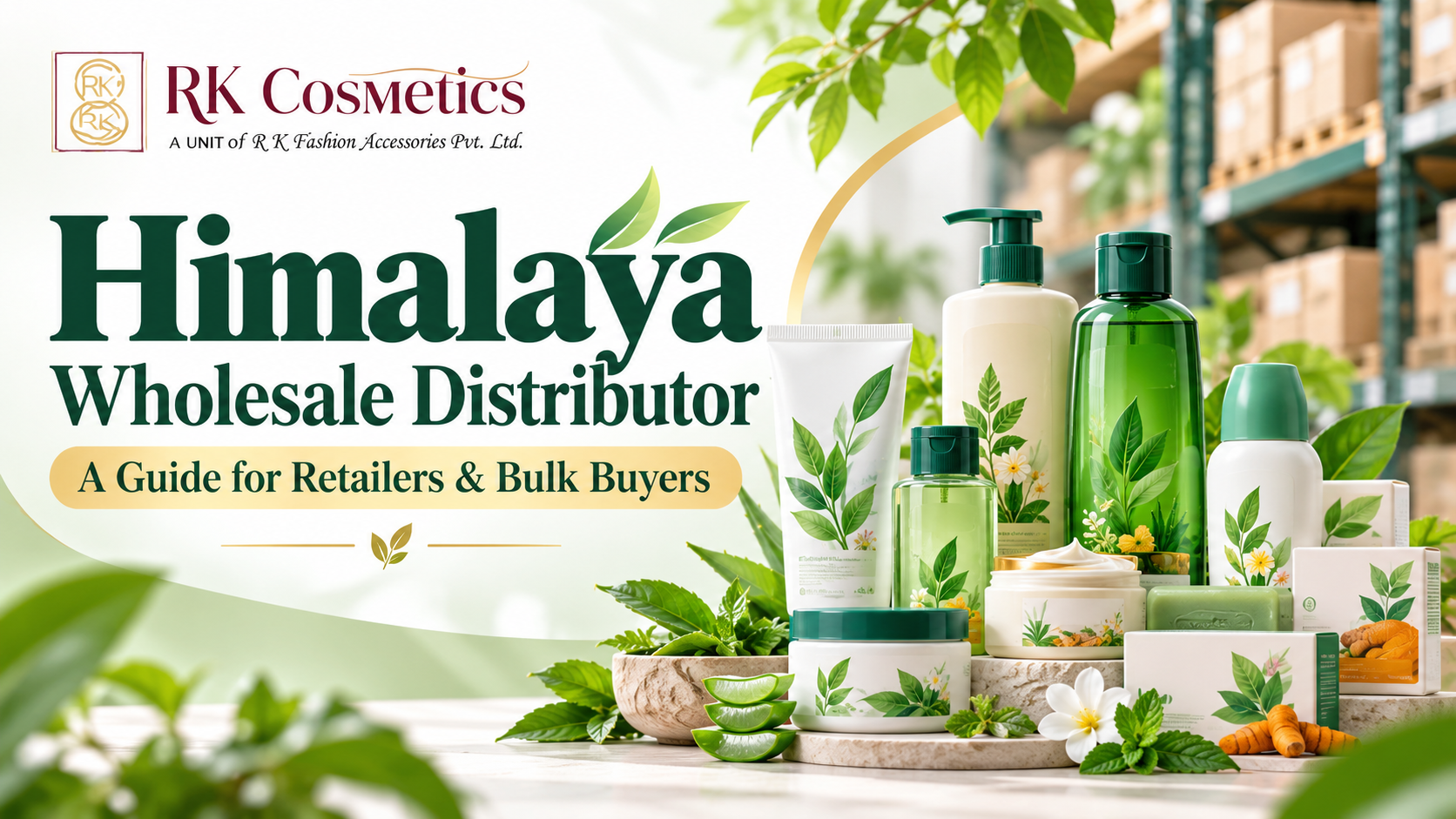
Finding a reliable Himalaya wholesale distributor is an important step for retailers, pharmacies, cosmetic stores, supermarkets, and online sellers looking to expand their personal-care, skincare, and wellness product inventory. Wholesale purchasing allows businesses to source products in larger quantities, manage procurement costs, and maintain stock availability. However, choosing the right supplier requires careful evaluation of product authenticity, pricing, documentation, shelf life, and delivery arrangements.
Whether you operate a neighbourhood cosmetic shop or an established retail business, understanding wholesale procurement can help you make informed purchasing decisions and build a sustainable supply chain.
What Does a Himalaya Wholesale Distributor Do?
A wholesale distributor purchases products through appropriate supply channels and supplies them to retailers, pharmacies, resellers, and other businesses. Distributors help connect manufacturers and authorised supply networks with businesses that sell products to end customers.
A Himalaya wholesale distributor may offer products across different personal-care and wellness categories, depending on its authorisation, inventory, and regional availability.
Common distribution activities include:
- Supplying products in bulk quantities.
- Providing product catalogues and price lists.
- Communicating minimum order requirements.
- Managing invoices and purchase documentation.
- Coordinating shipping and delivery.
- Providing information about available variants.
- Supporting repeat orders and stock replenishment.
The products available, commercial terms, and distribution rights should always be confirmed directly with the supplier.
Which Himalaya Product Categories Should Buyers Consider?
Product selection should depend on the type of business, customer preferences, available storage, and local demand.
Depending on current availability, retailers may investigate categories such as:
- Skincare: Face washes, creams, moisturisers, and other facial-care products.
- Haircare: Shampoos, conditioners, and selected hair-care products.
- Personal care: Products intended for everyday hygiene and grooming.
- Baby care: Selected baby-care products, where available.
- Herbal wellness: Products marketed for wellness and related consumer needs.
- Oral care: Toothpaste and other oral-hygiene products, where available.
Before approaching a Himalaya wholesale distributor, prepare a list of the categories most relevant to your customers. This makes it easier to compare supplier quotations and avoid investing in slow-moving inventory.
How Can You Choose a Reliable Himalaya Wholesale Distributor?
Supplier selection should involve more than comparing the lowest quoted price. Businesses need a supplier that provides suitable documentation, authentic merchandise, transparent terms, and dependable service.
Evaluate prospective suppliers using the following checklist:
- Verify the supplier’s business identity and contact information.
- Ask whether the supplier is authorised to distribute the relevant products.
- Request a current catalogue and wholesale price list.
- Confirm minimum order quantities and applicable discounts.
- Check batch numbers, packaging, and expiry dates.
- Request a valid invoice and applicable tax documentation.
- Understand delivery charges and estimated dispatch timelines.
- Review policies for damaged, defective, or incorrect shipments.
- Clarify payment terms before confirming an order.
- Check whether repeat purchases can be fulfilled consistently.
Businesses should independently verify authorisation where applicable instead of relying solely on verbal assurances or promotional claims.
How Can You Verify Product Authenticity Before Buying in Bulk?
Authenticity is essential when purchasing cosmetics, personal-care items, and wellness products. Unverified stock can expose businesses to financial losses, customer complaints, and regulatory complications.
Before accepting a wholesale shipment, retailers should:
- Inspect packaging for signs of tampering or damage.
- Verify batch details and applicable product labelling.
- Review manufacturing and expiry information.
- Match the delivered products against the purchase invoice.
- Check seals and packaging consistency where applicable.
- Request documentation establishing the supplier’s sourcing.
- Investigate unusually low prices before making payment.
- Maintain purchase records for future reference.
When evaluating a Himalaya wholesale distributor, buyers should prioritise traceable sourcing and proper documentation. Avoid products with missing labels, questionable packaging, or unclear origins.
How Should Retailers Calculate Wholesale Profit Margins?
Understanding product costs is necessary to determine whether a wholesale purchase is commercially viable.
The total landed cost may include:
- Product purchase price.
- Freight and delivery charges.
- Applicable taxes and handling expenses.
- Storage and inventory management costs.
- Marketplace commissions, if applicable.
- Promotional discounts and selling expenses.
- Potential losses from damaged or expired stock.
Basic calculation:
Landed cost per unit = Total acquisition and associated costs ÷ Number of usable units received.
Retailers can compare this amount with their intended selling price to estimate gross profit per unit before other operating expenses.
Do not assume every product offers the same margin. Actual profitability depends on supplier terms, competition, applicable pricing requirements, operating costs, and customer demand.
What Should Businesses Check Before Placing a Bulk Order?
A structured purchasing process helps reduce avoidable risks, especially when dealing with a new supplier.
Ask these questions before confirming an order:
- What is the minimum order quantity?
- Which products and pack sizes are currently available?
- Are the quoted prices inclusive of applicable taxes?
- What is the expected remaining shelf life?
- Is a proper invoice provided?
- What are the shipping charges and delivery timelines?
- What payment methods and terms are accepted?
- Is there a replacement policy for damaged goods?
- Can the supplier support regular replenishment?
- Are any volume-based discounts available?
Buyers searching for a Himalaya wholesale distributor should compare written quotations from multiple credible suppliers and evaluate the complete commercial terms before deciding.
Where Can Retailers Explore Wholesale Sourcing Through RK Cosmetics?
RK Cosmetics is a wholesale cosmetics business that retailers can approach to enquire about relevant product availability and purchasing arrangements. Businesses interested in adding Himalaya products to their inventory should contact the supplier directly to confirm whether the required products are currently stocked and whether suitable wholesale terms are available.
Before finalising an order, verify:
- Current product availability.
- Supplier authorisation, where applicable.
- Wholesale pricing and minimum quantities.
- Invoice and tax documentation.
- Delivery coverage and shipping charges.
- Return and replacement conditions.
RK Cosmetics should not be assumed to be an authorised distributor for a particular brand unless that status has been independently confirmed.
Final Thoughts
Choosing a suitable Himalaya wholesale distributor requires a combination of supplier verification, product checks, commercial evaluation, and inventory planning. Retailers should focus on authentic products, transparent documentation, competitive landed costs, and dependable fulfilment rather than selecting a supplier based on price alone.
By researching suppliers, comparing quotations, monitoring customer demand, and maintaining accurate inventory records, businesses can improve procurement efficiency and reduce unnecessary stock-related risks. A disciplined wholesale purchasing strategy can help cosmetic stores, pharmacies, and other retailers build a more reliable product assortment while supporting long-term business growth.