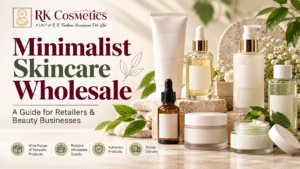
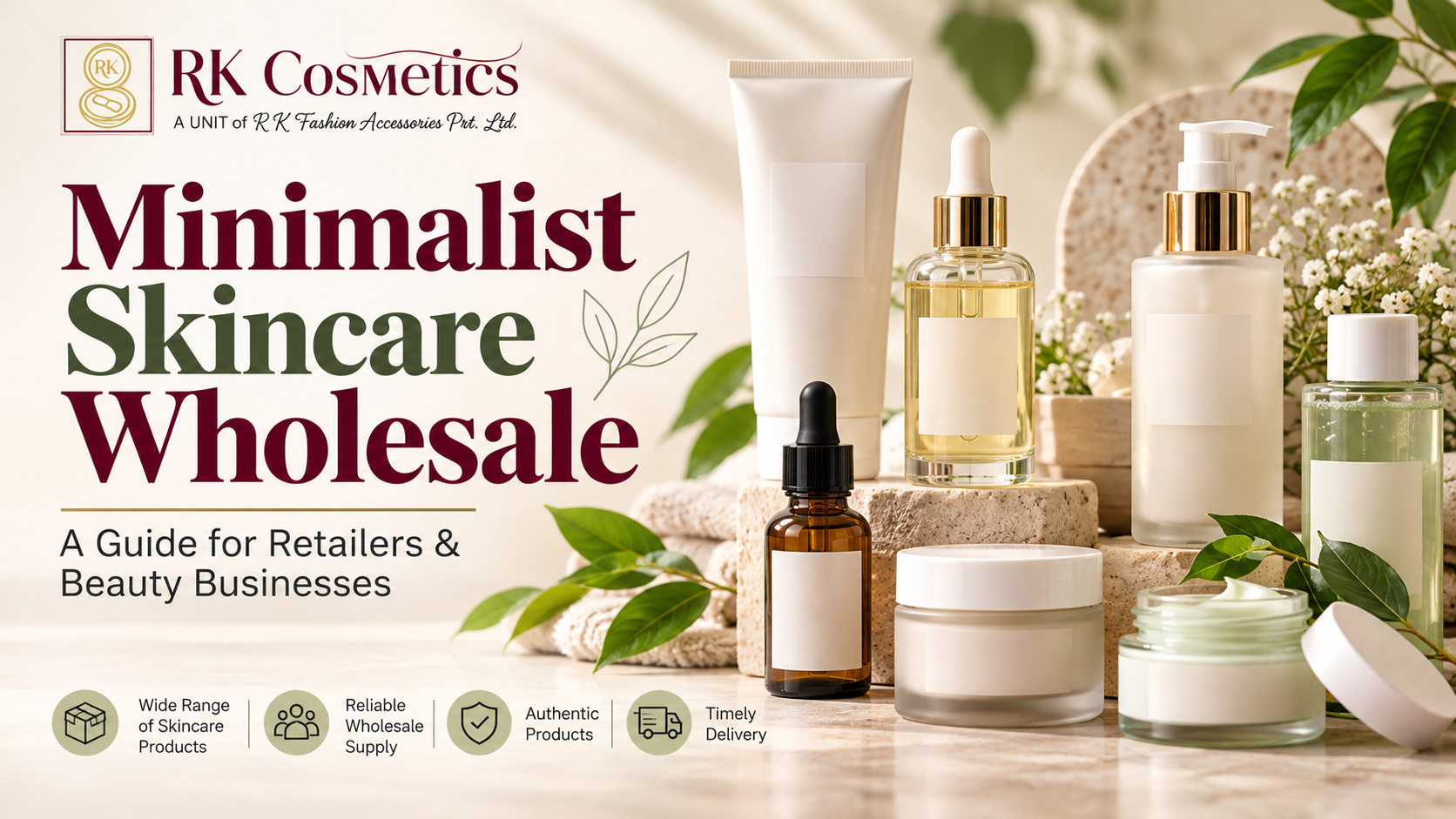
The skincare industry continues to evolve as consumers increasingly look for simple routines, carefully selected ingredients, and products that address specific skin concerns. For retailers, beauty stores, salons, and e-commerce businesses, Minimalist skincare wholesale offers an opportunity to explore a growing product category while meeting demand for straightforward skincare solutions. Understanding product formulations, supplier reliability, pricing, and customer preferences can help businesses make informed purchasing decisions and build a well-organized skincare inventory.
Why Are Retailers Interested in Minimalist Skincare Products?
Skincare retailers need to adapt their inventories to changing consumer preferences. Customers often seek products that are easy to understand, convenient to use, and appropriate for their individual routines.
Purchasing Minimalist skincare wholesale can help businesses explore this category through bulk procurement and a carefully selected product range.
Potential advantages include:
- Access to multiple skincare categories through wholesale suppliers.
- Opportunities to serve customers with different skincare preferences.
- More efficient inventory replenishment.
- Potential savings on per-unit purchasing costs, depending on order volume.
- Opportunities to develop skincare bundles and routine-based product collections.
- Greater flexibility when expanding an existing beauty and personal-care business.
However, wholesale buying should always be based on realistic demand forecasts. Purchasing large quantities without understanding local customer preferences can increase storage costs and the risk of unsold or expired stock.
Which Products Should Businesses Include in a Minimalist Skincare Range?
A balanced skincare inventory should cover essential product categories before expanding into specialized formulations.
Retailers can consider the following options:
- Facial cleansers: Products designed to remove everyday dirt, oil, and impurities.
- Moisturizers: Formulations that help maintain skin hydration.
- Serums: Concentrated products developed for specific cosmetic concerns.
- Sunscreens: Products intended to protect skin from ultraviolet radiation when used as directed.
- Exfoliating products: Formulations designed to remove dead surface skin cells.
- Hydrating products: Products containing ingredients such as glycerin or hyaluronic acid.
- Targeted skincare: Products developed for concerns such as uneven-looking skin tone or blemish-prone skin.
When exploring Minimalist skincare wholesale, buyers should compare ingredient lists, packaging sizes, product positioning, and customer demand rather than selecting products based exclusively on popularity.
How Can You Choose a Reliable Wholesale Skincare Supplier?
Supplier selection affects product quality, business profitability, and customer satisfaction. A reliable supplier should provide clear commercial terms and appropriate product documentation.
Before placing an order, evaluate these factors:
- Product authenticity: Confirm the origin of the products and purchase through reputable distribution channels.
- Documentation: Request proper invoices and applicable product documentation.
- Pricing transparency: Understand unit prices, taxes, shipping costs, and additional fees.
- Minimum order quantity: Check whether the supplier’s MOQ matches your purchasing capacity.
- Expiry information: Verify manufacturing details and remaining shelf life.
- Packaging condition: Avoid damaged, leaking, or tampered products.
- Delivery reliability: Confirm estimated dispatch and delivery timelines.
- Return policies: Understand procedures for damaged, defective, or incorrect deliveries.
Businesses sourcing Minimalist skincare wholesale should also ask whether repeat orders are available and how frequently popular products are replenished.
How Can Businesses Calculate Minimalist Skincare Wholesale Profit Margins?
A competitive purchase price is important, but it does not determine profitability on its own.
Businesses purchasing skincare products should calculate the complete landed cost, including:
- Product purchase price.
- Transportation and shipping.
- Applicable taxes and duties.
- Storage and handling expenses.
- Marketplace commissions, where relevant.
- Packaging and order-fulfilment costs.
- Promotional discounts and other selling expenses.
Basic formula:
Landed cost per unit = Total procurement costs ÷ Total units received.
Retailers can compare this figure with their intended selling price to estimate the available gross margin before other operating expenses.
When evaluating Minimalist skincare wholesale, compare quotations from multiple suppliers and confirm whether quoted prices include taxes, delivery, and other charges.
How Can Retailers Manage Skincare Inventory Effectively?
Inventory management is particularly important for cosmetics and skincare products because shelf life, storage requirements, and customer demand can vary by formulation.
Useful practices include:
- Maintain a digital inventory register.
- Track batch numbers and expiry dates.
- Follow the first-expiry-first-out (FEFO) method.
- Store products according to label instructions.
- Establish minimum and maximum stock levels.
- Monitor fast-moving and slow-moving products.
- Inspect deliveries for leakage or packaging damage.
- Review stock levels before placing repeat orders.
A structured approach helps businesses reduce waste, improve product availability, and avoid tying up excessive working capital in slow-moving inventory.
Where Can Retailers Source Wholesale Skincare Products?
Retailers can explore authorized distributors, established wholesalers, business-to-business suppliers, and specialist beauty-product distributors. The right sourcing channel depends on product availability, order size, delivery location, documentation, and commercial terms.
For businesses exploring Minimalist skincare wholesale, RK Cosmetics can be considered as a wholesale sourcing option for cosmetics and personal-care inventory. Buyers should contact the business to confirm current skincare product availability, supplier authorization where relevant, minimum order quantities, wholesale rates, and delivery arrangements before purchasing.
What Questions Should You Ask Before Ordering?
Before finalizing a wholesale purchase, ask the supplier:
- Which skincare products are currently available?
- What is the minimum order quantity?
- Are bulk discounts available?
- What are the current prices and applicable taxes?
- What is the remaining shelf life?
- Are product invoices provided?
- What are the storage requirements?
- What is the delivery timeline?
- What is the policy for damaged or defective goods?
- Can popular products be reordered consistently?
These questions help businesses assess whether a supplier can support their operational needs over the long term.
Final Thoughts
Minimalist skincare offers retailers an opportunity to build a focused inventory around targeted formulations, transparent product information, and practical skincare routines. Success depends on choosing appropriate products, understanding ingredient claims, assessing customer demand, and maintaining reliable supply channels.
Businesses considering Minimalist skincare wholesale should prioritize authentic products, clear documentation, competitive landed costs, and effective stock management. By evaluating suppliers carefully and purchasing according to actual demand, retailers can develop a more sustainable skincare assortment and improve the overall purchasing experience for their customers.